Forex Scams
Forex Scams: How Fake Brokers and Investment Schemes Defraud Traders
By Vanguard Asset Recovery Group · September 15, 2026
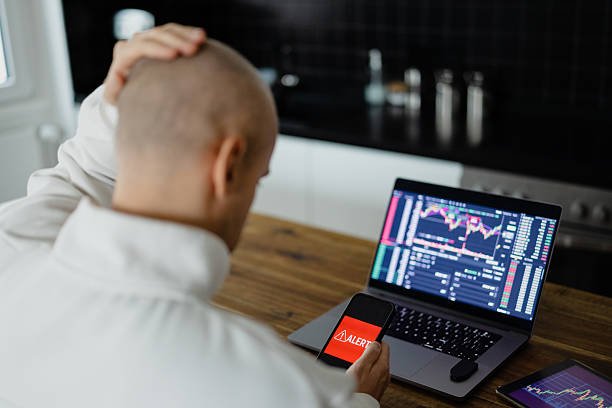
Forex scams can involve fake brokers, fraudulent trading platforms, managed accounts, and investment schemes promising unrealistic returns. Learn how these scams operate and what steps to take if you believe you have been defrauded.
Forex scams can take many forms. Criminals may impersonate legitimate brokers, create fake trading platforms, advertise unrealistic investment returns, or offer supposedly exclusive trading opportunities.
Understanding the warning signs can help investors avoid significant losses.
Common Types of Forex Scams
Fake Forex Brokers
A scammer may create a professional-looking website and claim to operate as a licensed forex broker.
The website may display impressive credentials, fabricated reviews, or false regulatory information.
Before depositing funds, investors should independently verify the broker through the relevant regulatory authority rather than relying solely on information provided by the broker.
Managed Account Fraud
Some scams involve individuals who claim they can trade forex on behalf of investors.
The individual may promise high or guaranteed returns and request access to funds or trading accounts.
If the person cannot independently verify their professional background and authorization to provide the service, investors should proceed with extreme caution.
Fake Trading Platforms
A fraudulent platform may show profitable trades and an increasing account balance.
However, the displayed balance may not represent real funds or genuine market activity.
The problem often becomes obvious when the investor attempts to withdraw money.
Warning Signs
Watch for:
Guaranteed profits
Unrealistic returns
Pressure to invest immediately
Requests for cryptocurrency payments
Unverified regulatory claims
Difficulty contacting the company
Withdrawal restrictions
Unexpected fees
Pressure to recruit other investors
Requests to pay additional money before receiving withdrawals
What To Do After a Forex Scam
If you suspect that you have been defrauded, stop making additional payments.
Collect your evidence and organize it chronologically. Include contracts, emails, chat messages, payment receipts, bank statements, account screenshots, website addresses, and information about the people or companies involved.
Contact your bank or payment provider as soon as possible.
You should also report suspected fraud to the appropriate financial regulator or law-enforcement authority.
Don't Let a Second Scam Make the Situation Worse
After losing money, victims may search online for recovery services.
Unfortunately, scammers sometimes monitor forums, social media groups, and other places where victims discuss financial losses.
A person may then contact the victim claiming to have access to a special recovery system.
They may demand an upfront payment, cryptocurrency transfer, or "processing fee."
Treat guaranteed recovery promises with caution.
Final Thoughts
A professional-looking website does not automatically mean that a forex broker is legitimate.
Before investing, independently verify the company and its regulatory status. Never allow urgency, promises of guaranteed returns, or emotional pressure to replace proper due diligence.
If you believe you have been targeted, preserve your evidence and contact the relevant financial institutions and authorities promptly.